


What Causes Brake Grinding Noises?
Coulter Buick GMC Tempe Service Center
A Tempe driver's guide to the most common reasons brakes grind, what each sound usually means, and when it's time to bring it in.
Quick Answer
Brake grinding almost always means metal is touching metal somewhere in the brake system. The most common cause is brake pads worn past their friction material. Other causes our Tempe technicians see include scored or warped rotors, a sticking or misaligned caliper, ABS activity during hard stops, and small rocks or road debris trapped between the rotor and caliper.
If your brakes are grinding every time you slow down near Tempe, it's easy to assume it's nothing serious. But that metallic scrape is your car's way of asking a real question: “Why are my brakes grinding?” At Coulter Buick GMC Tempe, we hear this one a lot, especially from drivers navigating stop-and-go traffic on the 60 and I-10. There are a handful of common culprits behind that sound, and knowing which one you're dealing with makes all the difference.
Key Takeaways
1
Grinding almost always means metal is contacting metal somewhere in the brake system.
2
Worn-out brake pads are the most common reason brakes grind when you stop.
3
A grinding noise that shows up while you're driving, not just braking, often points to debris or a caliper issue.
4
Ignoring grinding brakes can turn a simple pad job into a much costlier rotor replacement.
5
A quick inspection at Coulter Buick GMC Tempe can pinpoint the cause before it gets worse.
Worn Brake Pads Are the Most Common Cause
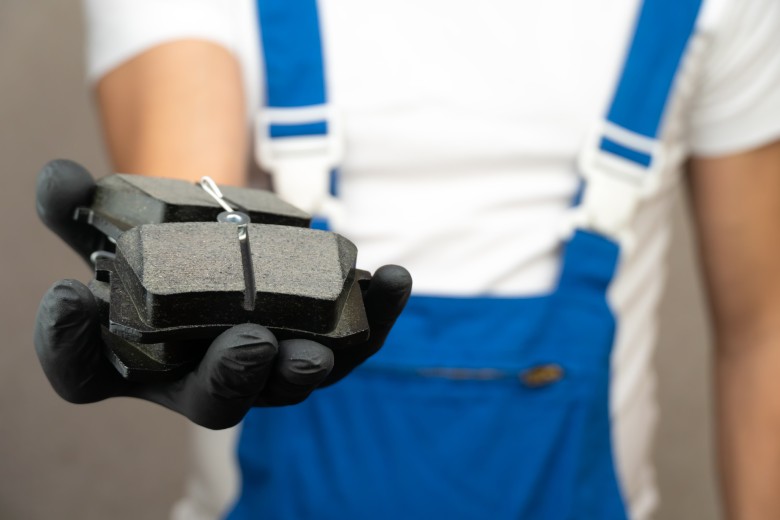
Most of the time, when brakes are grinding, it comes down to brake pads that have worn past their friction material.
Brake pads are built with a layer of friction material bonded to a metal backing plate. As that material thins out over miles of driving, pads first start to squeal, a built-in early warning sound. Keep driving past that point, and the metal backing plate starts contacting the rotor directly, producing a harsh sound every time you press the pedal. That's usually the moment drivers start asking “Why do my brakes grind no matter how gently I stop?” This wear pattern is especially common in stop-and-go Tempe traffic, where frequent light braking wears pads down faster than on the highway, and by this stage the rotors are often scored, too.
Damaged Rotors or Calipers
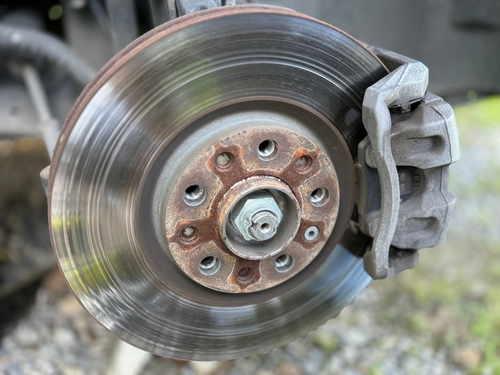
A sharper, more metallic sound, especially when paired with a rumble from the pedal, usually indicates rotor or caliper damage rather than pad wear alone.
When rotors get scored, warped, or worn too thin, they can no longer give the pads a smooth, even surface to grip. A sticking or misaligned caliper piles on the problem, wearing pads unevenly and letting metal parts rub together while you drive. If you notice brakes grinding when stopping along with pulsing in the pedal or steering wheel, the rotors likely need attention too. This combination usually calls for a full pad-and-rotor service rather than a pad-only fix.
Anti-Lock Braking System (ABS) Issues

If the grinding only shows up during hard or panic stops, the anti-lock braking system could be the source rather than the pads or rotors.
ABS pulses the brakes rapidly during a full-force stop to keep the wheels from locking up, and that pulsing can sometimes produce a grinding or clicking feel through the pedal. It's not always cause for alarm, but if it happens on every hard stop, it's worth having the ABS system inspected to rule out a failing sensor or module.
Debris Caught Near the Caliper
Brakes grinding while driving, even when you haven't touched the pedal, is often caused by small rocks or road debris trapped between the rotor and caliper.
Gravel, sand, and small stones kick up easily on Arizona roads and can work their way into the wheel well, where they get pinned against the rotor. The result is a grinding or scraping sound that comes and goes as you drive, independent of braking. This one's usually an easy fix, but leaving debris in place too long can scratch the rotor surface, turning a simple cleanout into a rotor replacement.
Signs It's Time for Brake Service
Grinding, squealing, or clicking noises
A soft or spongy brake pedal
Vibration or pulsing when you brake
Longer stopping distances than usual
Brake Grinding Symptom Guide: What the Sound Is Telling You
Use this quick reference to match what you're hearing and feeling behind the wheel with the cause it most often points to. Our service team will confirm the exact issue during an inspection.
Why Grinding Brakes Are Dangerous
Grinding means you're losing the friction material designed to stop your car safely, and continuing to drive on it increases both stopping distance and repair costs.
Faulty brakes contribute to a significant share of road accidents, and grinding is one of the clearest signs that your brake system isn't performing as it should. Once metal contacts metal, stopping power drops, and every mile adds more wear to the rotors, calipers, and sometimes the wheel hub. What starts as a modest pad replacement can turn into a much larger rotor-and-pad job within weeks. There's also a safety cost that's harder to put a number on: shorter, more predictable stops matter every time you're merging onto the 202 or stopping short for a light that changes late.
The Bottom Line
Grinding brakes are never something to just live with. Whether it's worn pads, a rotor issue, or a bit of road debris, our team at Coulter Buick GMC Tempe can figure out exactly what's going on and get it fixed before it turns into a bigger repair. If you've been wondering “Why are my brakes grinding?” a quick inspection is the fastest way to get a real answer.
Schedule a Brake Inspection in Tempe
If you're noticing any of these signs, scheduling a brake inspection at Coulter Buick GMC Tempe is an easy next step. It only takes a few minutes to find out what's really going on under the hood.
Schedule ServiceService SpecialsContact Our Service TeamBrake Grinding FAQ
Is it safe to drive with grinding brakes?
It's not recommended. Grinding reduces stopping power, and continuing to drive can cause further damage to your rotors and calipers.
How much does it cost to fix grinding brakes?
Costs vary depending on whether it's just pads or pads and rotors, but catching the issue early keeps the repair smaller and less expensive.
Can I just add new brake pads myself to stop the grinding?
You can, but if the rotors have already been damaged, new pads alone won't fix the noise or fully restore stopping power.
Why do my brakes grind only when it's cold outside?
Cold mornings can cause light surface rust on rotors, which sometimes creates a temporary grinding sound that clears up after a few stops. Persistent grinding still needs to be checked out.
How often should brake pads be inspected?
Most experts recommend a brake inspection once a year, or sooner if you notice any unusual noise or feel while driving.