


GMC Dashboard Light Symbols and Meanings
When a light suddenly pops on during the drive, it’s easy to feel that little jolt of stress—especially if it’s one of those symbols that doesn’t show up often. At Coulter Buick GMC Tempe in Tempe, AZ, drivers talk about this all the time, and there’s always the same goal: understand what the light means and what to do next. Whether commuting in a GMC Terrain or hauling with a Sierra, knowing the most common GMC dashboard warning lights can save a lot of headaches.
Dashboard symbols and meanings vary from model to model, but most GMC vehicles share a core set. Here’s a down-to-earth rundown of what these lights usually mean, when it’s okay to keep driving, and when it’s time to schedule service.
GMC Dashboard Lights:
 |  |  |  |
 |  |  |  |
ABS System Warning Light
This one looks like the letters “ABS” inside a circle. When it’s illuminated, the anti-lock braking system may not be working correctly. The brakes will still function, but the safety feature that prevents wheel lock-up during sudden stops might be disabled. It’s not something to panic about, but it’s smart to get it checked soon—especially if daily driving involves busy Tempe intersections or highway traffic. If this warning appears on the GMC Terrain dashboard lights display, it’s worth a quick visit to the service department for peace of mind.
Engine Oil Warning Light
This symbol, shaped as an oil can with a drip, indicates that the oil level or oil pressure is lower than it should be. Running the engine in this condition can cause severe internal damage. This is one of those “pull over as soon as possible” alerts. Once the vehicle is safely stopped, check the oil level. If the dipstick shows a low reading, adding oil may help, but the root cause must still be addressed. The team at Coulter Buick GMC Tempe can determine whether it’s a leak, worn components, or an overdue oil change.
Brake System Warning Light
This red exclamation mark inside a circle tends to get attention quickly—and for good reason. It could mean the parking brake is engaged, the brake fluid is low, or there’s a malfunction in the braking system. If the light stays on even after ensuring the parking brake is fully released, it’s best to schedule service right away. Brake issues rarely fix themselves, and ignoring the light can lead to poor stopping power.
Check Engine Light
Probably the most well-known warning light, this one can signal anything from a loose gas cap to a failing sensor. When a check engine light comes on, the vehicle isn’t necessarily in immediate danger, but it’s telling the driver something isn’t working as intended. If the light is flashing, though, that’s a different story—pull over and get help immediately because the engine may be at risk of severe damage. Drivers often see this pop up on the GMC Sierra dashboard, especially when towing or driving in high heat.
Low Fuel Light
Simple, but easy to ignore—until it’s not. This small gas-pump icon comes on when the fuel level is low enough that stopping for gas should move to the top of the to-do list. Running the tank too low isn’t great for the fuel pump over time, so it’s better to treat this as a routine reminder rather than a dare to see how far the vehicle can go.
Low Tire Pressure Light
Any GMC equipped with tire pressure monitoring will display this symbol, which looks like a horseshoe with an exclamation point. When it illuminates, at least one tire is below the recommended pressure. Temperature changes in Tempe can easily trigger this, especially during winter mornings or hot summer afternoons. Low tire pressure affects fuel economy, ride comfort, and even safety. A quick stop at a tire shop or service lane is usually all it takes to get things back to normal.
Battery Light
This one resembles a car battery and indicates the vehicle isn’t charging properly. It could be a worn alternator, a loose cable, a bad battery, or an electrical issue. The car might keep running for a bit, but if the light stays on, it’s only a matter of time before the battery drains. Getting this inspected quickly is especially important if there are other symptoms, such as dim lights or slow cranking.
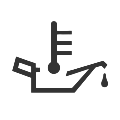
Coolant Level Warning
When a thermometer symbol or coolant bottle lights up, it means the coolant is running low or the engine is starting to overheat. Heat is no joke in Arizona, so this is one of those warnings that deserves immediate attention. Pull over, let the engine cool, and avoid opening the coolant reservoir while it's hot. Once things settle, get the system inspected to prevent overheating damage.
When Should Service Be Scheduled?
Some lights call for immediate action, while others allow time to drive home or to the dealership. A good rule of thumb: red lights generally signal urgent issues, and yellow or orange lights mean something needs attention soon. When in doubt, a quick call to Coulter Buick GMC Tempe can help figure out the next move. Staying on top of GMC dashboard warning lights is one of the easiest ways to prevent minor issues from becoming expensive repairs.
FAQ: GMC Dashboard Lights
What should be done if multiple warning lights turn on at once?
This could mean a major system issue or a failing alternator. It’s safer to pull over and get help rather than continue driving.
Why does the check engine light come on after refueling?
Often, it’s a loose gas cap. Tightening it securely usually resolves the issue in a few drives.
Are dashboard symbols and meanings the same for every GMC model?
Most are similar, but placement and appearance may vary slightly between models like the Terrain and Sierra.
Can cold weather trigger the low tire pressure light?
Yes. Temperature drops reduce air pressure, which is why this light is common on chilly mornings.
How often should the dashboard be checked?
It’s a good idea to check the lights every time the vehicle starts. When the GMC Terrain dashboard lights change or a new warning appears, it’s a good idea to have a technician check things out promptly.