


Why Does my Car Shake When I Brake?
Few things get a driver's attention faster than unexpected movement coming through the steering wheel or brake pedal. If you've noticed your brakes shudder at high speed, felt a rhythmic vibration when slowing down, or found yourself wondering why my car moves back and forth when braking, you're dealing with a symptom that almost always has a clear mechanical explanation.
Understanding Braking Shudders: At a Glance
| Symptom | Potential Cause | Common Reason |
|---|---|---|
| Vibration matches vehicle speed | Warped Brake Rotors | Heat stress or improper lug nut torque |
| Shudder after heavy/mountain driving | Uneven Pad Deposits | Material transfer from overheated pads |
| Bouncing paired with grinding | Worn/Damaged Pads | Pads worn past audible indicator |
| Swaying/Lurching feel | Suspension Components | Worn tie rods, ball joints, or wheel bearings |
Understanding what causes a car to shake when braking, and what each type of shaking points to, helps you have a more informed conversation with a service technician and make smarter decisions about how urgently the issue needs to be addressed.
Warped Brake Rotors Are the Most Common Cause
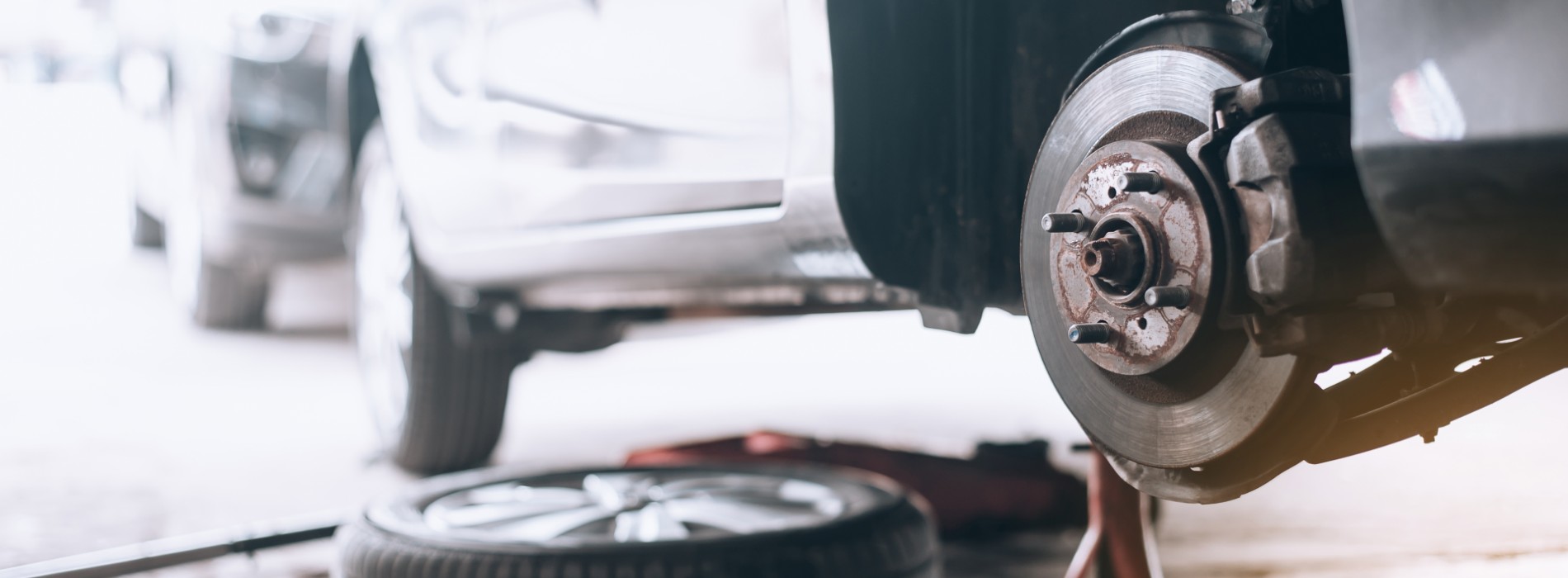
When you press the brake pedal, brake pads clamp down onto rotating discs called rotors. That friction is what slows the vehicle. For that process to work smoothly, the rotor surface needs to be flat and uniform all the way around. When rotors warp or develop uneven thickness, the pads make inconsistent contact with the surface during each rotation, and that inconsistency travels up through the suspension and into whatever you're touching inside the cabin.
This is what most drivers are experiencing when they press their brakes, and the car vibrates at a noticeable rhythm that matches vehicle speed. The faster you're going, the faster the rotor is spinning, and the more pronounced the feedback becomes. Brakes vibrate at high speed for exactly this reason. The rotational speed amplifies the effect of even minor surface irregularities.
Rotor warping happens for several reasons. Repeated hard braking that generates excessive heat is a common contributor. Thermal stress over time can cause the metal to deform slightly. Uneven torque when a wheel is installed without following proper tightening sequence can also create rotor distortion that develops gradually into a noticeable vibration.
Uneven Brake Pad Deposits
Related to rotor condition is a problem called brake pad transfer or uneven pad deposits. When brake pads overheat repeatedly, material from the pad can transfer onto the rotor surface inconsistently, creating high and low spots that produce shaking when the pads make contact. This often feels similar to rotor warping and is frequently diagnosed and addressed at the same time.
If you've been doing a lot of mountain driving, frequent heavy braking in stop-and-go traffic, or towing, this type of wear accumulates faster than it would under normal driving conditions.
Worn or Damaged Brake Pads
Brake pads that are worn down unevenly or have deteriorated to the point where the backing material is making contact with the rotor will cause significant vibration and noise. Car bouncing when braking paired with a grinding or squealing sound is a strong signal that pad condition has gone past the point of normal wear and into territory that can damage the rotors further if not addressed quickly.
Most vehicles provide an audible wear indicator that activates before the pads are fully depleted. If you're hearing that sound alongside the shaking, the service window has already opened and waiting will increase the overall repair cost.
LEARN MORE: Why does my car make noises when accelerating?

Suspension and Wheel Components
Not all braking vibration originates in the brake system itself. When I press my brakes, the car vibrates is a complaint that sometimes traces back to worn suspension components rather than the brakes directly.
Worn tie rod ends, loose wheel bearings, deteriorated ball joints, or damaged suspension bushings can all contribute to movement and shaking that becomes more apparent under braking because of the weight transfer and forces involved when the vehicle decelerates. Why my car moves back and forth when I brake in a way that feels more like a sway or lurch than a vibration often points in this direction.
Wheel balance issues and tire wear patterns can contribute similarly. An out-of-balance tire or one with flat spots from prolonged parking produces feedback that brakes shudder at high speed can mask or amplify depending on conditions.
What You Should Do Next
Braking performance is not an area where a wait-and-see approach makes sense. The system that stops your vehicle is the most safety-critical system on it, and shaking under braking is the system signaling that something is no longer functioning as it should.
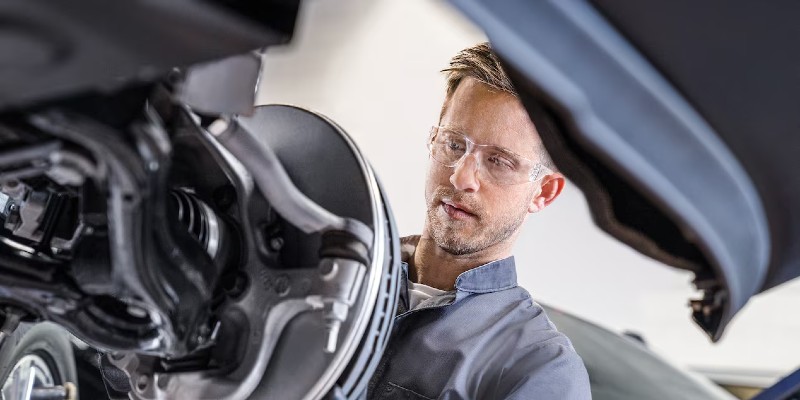
What causes a car to shake when braking covers a range of components, and diagnosing which one is responsible requires hands-on inspection. The service team at Coulter Tempe Buick GMC has the equipment and experience to identify the source accurately and get you back on the road with confidence in your braking system.